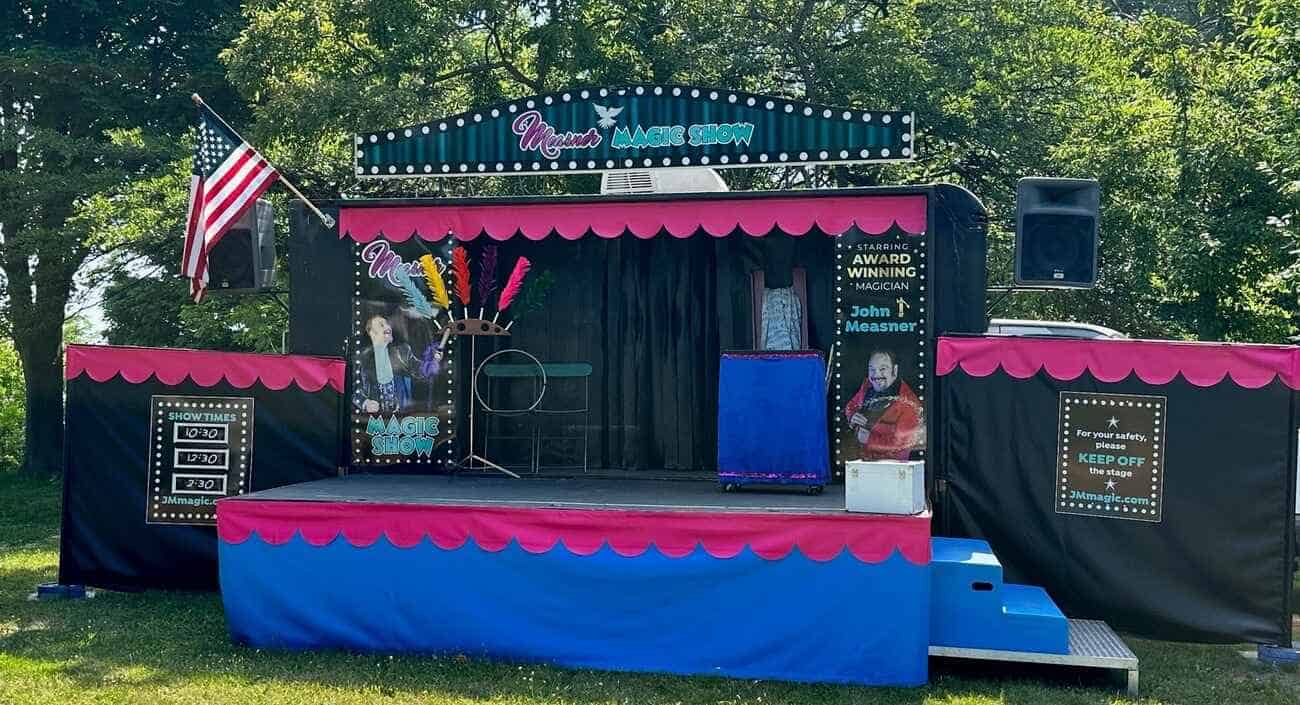
When you watch a magician perform, it feels effortless—the flick of a hand, the appearance of a dove, the stunned silence followed by applause. But behind every smooth performance lies weeks or even months of preparation. From rehearsals to stage design, each detail is planned to ensure the audience experiences wonder and amazement.
In this article, we’ll take you behind the curtain and explore how a Chicago magician show is crafted, the process of preparing for a birthday party magician performance, and how magicians design memorable magic events for schools.
The Foundation: Planning a Magic Show
Before any tricks are performed, magicians begin with careful planning. Much like a stage play, a magic show is built around structure, timing, and storytelling.
Choosing the Right Theme
A magic performance often has a theme, whether it’s classic illusions, comedy-driven tricks, or interactive routines. For family-friendly shows, the magician may lean towards humor and audience participation, while a corporate performance might emphasize elegance and surprise.
Selecting the Venue
The setting of the show plays a huge role in shaping the performance:
- Theaters allow large-scale illusions with lighting and stage effects.
- Living rooms or backyards for a birthday party magician require portable tricks and close-up magic.
- Auditoriums and libraries are common venues for magic events for schools, where tricks are adjusted for student engagement.
The Rehearsal Process
Behind every seamless trick is hours of practice. Rehearsals allow magicians to perfect their timing, hand movements, and audience interaction.
Refining the Illusion
Magicians often break down each trick into small steps. Each step is practiced repeatedly to ensure there are no noticeable gaps. Timing is crucial—too fast, and the audience may miss the wonder; too slow, and the suspense disappears.
Choreography and Flow
A Chicago magician show isn’t just a set of tricks—it’s a carefully designed sequence. Magicians choreograph their movements so that the transition between tricks feels smooth. This creates a continuous rhythm, keeping the audience engaged throughout.
Props and Equipment
Props are the silent co-stars of every magic performance. From playing cards to elaborate stage devices, each prop is selected with intention.
Common Props
- Decks of cards for sleight-of-hand tricks
- Ropes and rings for audience participation
- Illusion boxes for stage magic
- Everyday objects like scarves or coins for intimate performances
Technical Setup
Lighting, sound, and stage design also matter. Spotlights create drama, music builds suspense, and background settings enhance the illusion. Even for smaller performances, magicians bring portable equipment to maintain a professional experience.
Audience Engagement: The Heart of Magic
No matter how impressive the trick, a magic show thrives on audience connection.
Involving the audience is key—whether it’s inviting a child on stage during a birthday party magician act or asking students to participate in magic events for schools. This creates a shared experience where the audience feels part of the magic.
Reading the Room
A skilled magician constantly observes reactions. If the audience is captivated, the trick continues as planned. If attention drifts, magicians adjust pacing or add humor to pull them back in.
Types of Magic Shows

Different audiences require different approaches. Here’s a closer look at how magicians tailor their performances:
Chicago Magician Show
A Chicago magician show often blends classic illusions with contemporary flair. These shows are diverse, ranging from large theater productions to private parties. The city’s vibrant entertainment culture allows magicians to experiment with storytelling, humor, and grand effects.
Birthday Party Magician
A birthday party magician focuses on fun and laughter. Routines are interactive and designed to amaze children while keeping adults entertained. Tricks often involve colorful props, light comedy, and memorable participation moments.
Magic Events for Schools
Magic events for schools go beyond entertainment. They are often designed to be educational, incorporating messages about teamwork, reading, or confidence-building. School-based performances balance wonder with inspiration, making them impactful for students.
Table: Key Elements of Different Magic Shows
| Type of Show | Audience Focus | Performance Style | Venue Examples |
|---|---|---|---|
| Chicago Magician Show | Families, adults, groups | Blend of classic & modern illusions | Theaters, private events |
| Birthday Party Magician | Children & families | Interactive, colorful, humorous | Homes, party halls |
| Magic Events for Schools | Students, educators | Educational + entertaining | Libraries, auditoriums |
The Day of the Performance
On the day of the show, magicians arrive early to set up equipment, rehearse in the actual space, and fine-tune details.
Pre-Show Checklist
- Test sound and lighting systems
- Ensure props are ready and hidden from view
- Rehearse stage entry and exit points
- Prepare for audience interaction
The Final Act
A well-executed performance often ends with a “closer”—a powerful illusion that leaves the audience in awe. This lasting impression ensures people remember the experience long after the curtain falls.
Conclusion
A magic show is more than tricks—it’s storytelling, planning, rehearsal, and connection with the audience. Whether it’s a grand chicago magician show, an engaging birthday party magician act, or inspiring magic events for schools, every performance is carefully built to create wonder.
To explore upcoming shows or to book a magician, visit John Measner Magic
Frequently Asked Questions (FAQ)
How long does a magic show usually last?
Most performances run between 30 minutes and an hour, depending on the type of event and audience.
Can a magician adjust tricks for small spaces?
Yes, magicians adapt tricks to fit living rooms, classrooms, or large stages, ensuring the audience experience remains engaging.
Do school magic events include educational themes?
Many magic events for schools include positive messages such as teamwork, reading, and creativity.
What age groups enjoy birthday party magicians?
While primarily aimed at children, a birthday party magician creates routines that entertain both kids and adults.
How far in advance should I book a magician?
It’s recommended to book a magician several weeks in advance to secure availability, especially during peak seasons.