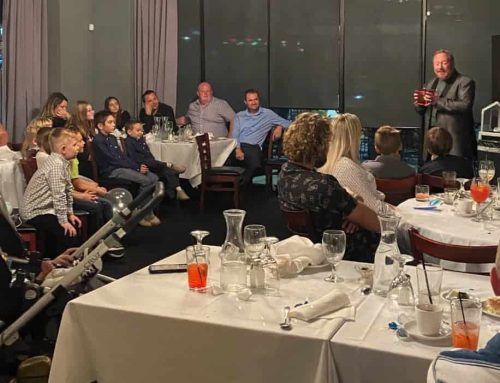
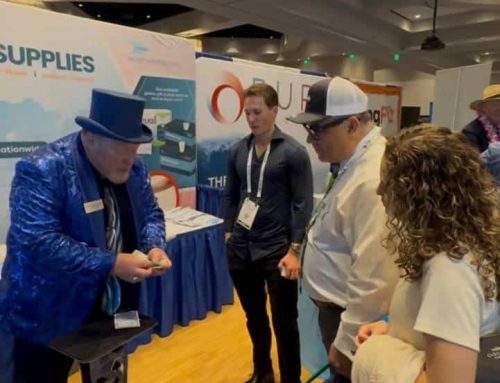
Ask any children’s librarian what keeps a program interesting after the tenth week of crafts and read-alouds, and magic usually comes up. A library magic show does something most programming can’t: it turns a room of restless kids into an audience that’s leaning forward, guessing, laughing, and occasionally gasping out loud. That kind of reaction is exactly why libraries keep bringing magicians back year after year, long after the crafts and coloring sheets get forgotten.
Why Magic Works So Well in a Library Setting
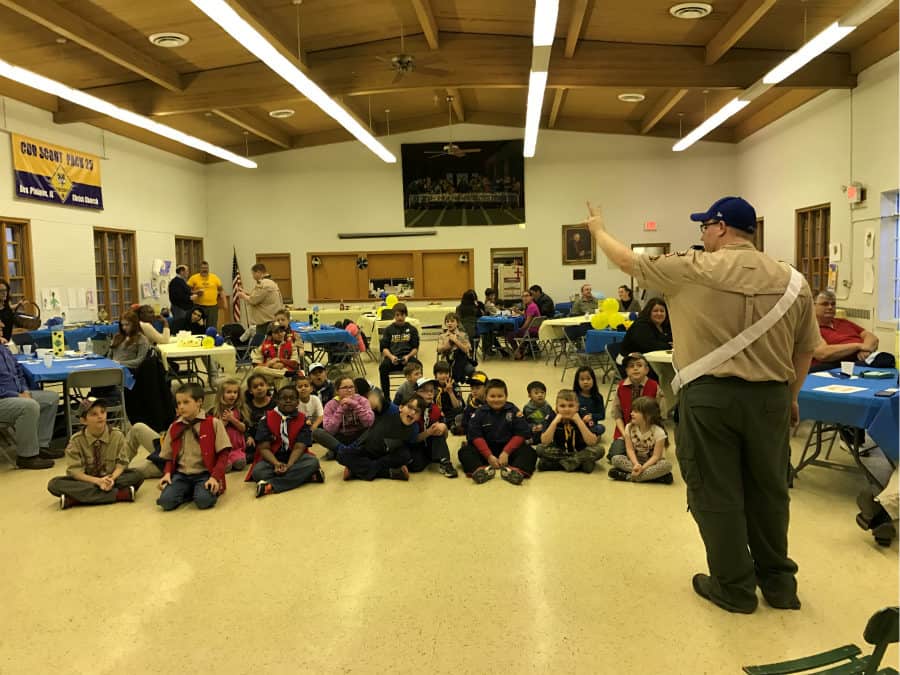
Magic isn’t just tricks strung together. A good performance blends storytelling, timing, humor, and a bit of mystery, which happens to match what libraries already do well. Kids show up expecting to sit and listen, and then something unexpected happens on stage, and suddenly they’re paying attention in a completely different way.
Libraries work hard to be more than a place to check out books. They’re community spaces where families gather, and a live show gives people a reason to show up together. A magician walking into that room isn’t replacing the library’s mission, it’s adding another layer to it.
What Kids Get From an Interactive Magic Show
The best library shows aren’t the kind where a magician stands at a distance and performs at the crowd. Kids get pulled in. They’re asked to hold a prop, call out a number, or help make something disappear, and that changes the entire dynamic of the room.
There’s real value in that beyond entertainment. A child who gets picked to help on stage in front of their friends walks away a little more confident than they were an hour earlier. Watching a trusted magician like the chicago magician John Measner work a crowd, you notice how much of the show depends on reading kids in real time and giving them small wins throughout the performance, not just one big finale.
Making Library Programs More Than Storytime
Storytime is a staple, and it should stay that way. But libraries that only offer storytime and crafts tend to plateau in attendance once families cycle through the regulars.
A magic show gives a library something different to promote. It’s not competing with reading-focused programming, it’s sitting right next to it, giving families a reason to check the events calendar again this month instead of assuming they already know what’s on offer.
Pairing a show with an existing reading club or seasonal event tends to work better than running it as a standalone. The magic becomes the hook, and the reading programs get a bump in visibility they might not get on their own.
Magic Shows That Bring Kids and Families Together
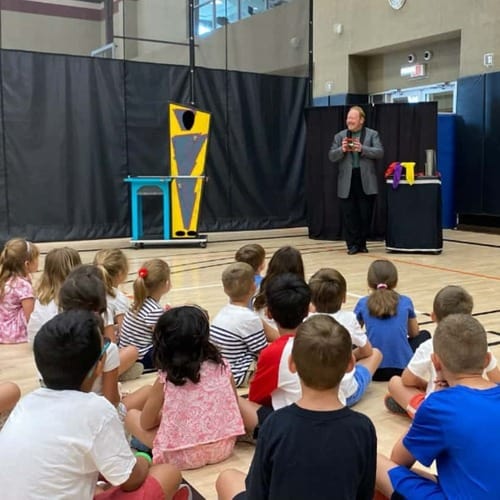
One thing that sets a magic show apart from a lot of children’s programming is that it isn’t really aimed at just one age group. A five-year-old and a ten-year-old can sit in the same room and both walk away entertained, which isn’t true of most crafts or story sessions built for a narrow age range.
Parents end up watching too, not standing in the back checking their phones. That matters for libraries trying to build community events rather than programs that only serve kids while the adults wait it out. Schools have picked up on this as well, which is part of why magic events for schools have become a regular booking alongside library programs, not a separate category of entertainment.
Connecting Magic With Books, Stories, and Imagination
A magician who understands the room can build a show around storytelling instead of just running through a list of tricks. Themes pulled from fairy tales, adventure stories, or popular children’s books give the performance a shape that feels connected to why everyone’s in a library in the first place.
Librarians can lean into that connection with a book display near the entrance or a short reading list tied to the show’s theme. It doesn’t need to be elaborate. Even a small table of related titles gives families something to take home once the applause dies down.
What Makes a Great Library Magic Show
Not every magic show translates well to a library setting. The strongest ones rely on getting kids involved instead of asking them to sit quietly and watch, because a passive audience loses interest fast, especially with younger age groups.
Pacing and humor matter just as much as the tricks themselves. A show built for a birthday party crowd doesn’t always work for a library program with a wider age range and more parents in the room. A chicago magician show built with libraries in mind tends to account for smaller stages, shorter attention spans on one end and older siblings on the other, and the reality that librarians often need a program that fits neatly into an hour.
Ideas for Using a Magic Show Across Library Programs
Summer reading kickoffs are an obvious fit, since libraries need something strong to open the season and get families excited before the weekly momentum builds. The same goes for closing celebrations, when attendance tends to dip and a show gives families a reason to come back one more time.
School breaks create a similar opportunity. Kids are out of class and looking for something to do, and a midweek magic show can fill a slot that would otherwise sit empty on the calendar. Community appreciation days, family nights, and literacy-themed events all work the same way, using the show as the anchor that pulls people in the door.
Creating a Library Event Kids Will Talk About
The programs people remember aren’t always the ones with the biggest budget. They’re the ones where something surprising happened, where a kid got picked to help, or where the whole room laughed at the same moment. That’s the kind of thing families bring up weeks later when they’re deciding whether to come back for the next event.
A library doesn’t need a packed calendar to build that kind of reputation. It needs a few programs each year that actually stand out, and a well-run magic show is one of the more reliable ways to get there. If you’re a librarian planning ahead and want to see what that could look like for your branch, Contact us to talk through dates and what fits your space.