
Summer reading programs live or die on that first Tuesday. Kids show up because their parents made them, or because a friend mentioned free popcorn, and what happens in that first hour decides whether they come back in July. A strong opening event does more than launch a summer theme, it tells families this library is worth checking on all season. That’s where summer reading program entertainment like a live magic show earns its spot on the calendar instead of just being a nice-to-have.
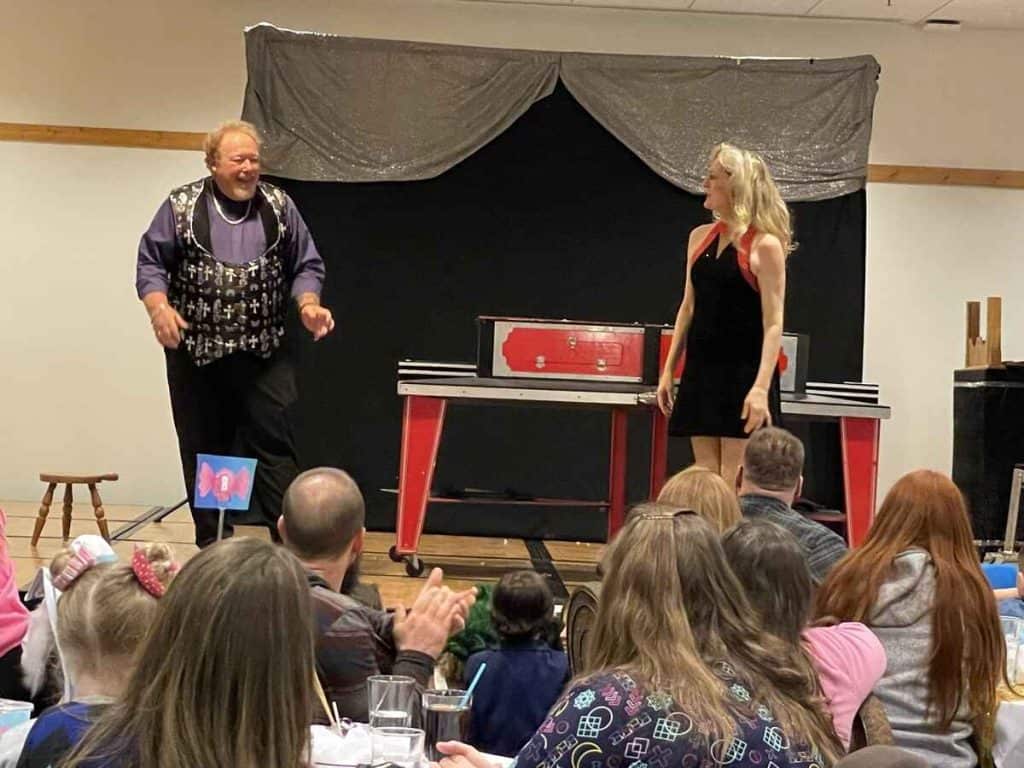
Give Your Summer Reading Program a Memorable Kickoff
The kickoff sets expectations for everything that follows. If it feels like another classroom activity, kids treat the rest of the summer the same way, showing up out of obligation rather than interest.
A magic show changes that dynamic fast. Parents who were planning to drop off and leave end up staying for the whole thing, and kids who walked in half-interested leave asking when the magician’s coming back. That energy carries into the weeks after, when staff are trying to get the same families to return for smaller weekly programs.
None of this needs to feel disconnected from reading either. A good performer builds the show around curiosity and story, which keeps it from feeling like a random assembly stuck in the middle of a literacy-focused summer.
Why Magic Fits Naturally Into Summer Reading
Magic runs on the same things summer reading programs are trying to build: curiosity, imagination, and a sense that something interesting might happen next. A kid watching a card trick is doing the same mental work as a kid getting pulled into a mystery novel, they’re both trying to figure out what happens before it’s revealed to them.
That overlap is why libraries keep booking magicians for reading programs instead of treating magic as an unrelated add-on. Plenty of branches already build entire kickoff or closing events around a performance, using it as the anchor for a summer theme rather than a separate attraction competing for attention. It works because nobody has to explain why magic and reading go together, kids feel the connection without anyone spelling it out for them.
Libraries offering strong library entertainment for kids during the summer months tend to see better return attendance for the smaller weekly programs too, since families who had a good first experience are more willing to come back for the quieter stuff.
Turn Passive Attendance Into Active Participation
A show where kids just watch from folding chairs loses steam after ten minutes, especially with a mixed-age crowd. The programs that actually hold attention are the ones where children get pulled into the act, not just seated in front of it.
That might mean a volunteer helping with a trick, an audience-wide magic word, or some kind of movement that gets everyone leaning forward at the same time. None of it needs to be complicated. Kids remember being picked to help far more than they remember any individual trick, and that memory is often what gets them talking about the library to friends who weren’t there.
Build a Summer Reading Theme Around Wonder and Discovery
Most summer reading themes already lean into some version of adventure, mystery, or exploration, which makes magic an easy fit rather than a forced one. A performer who pays attention to the library’s theme can shape tricks and stories around it instead of running a generic set.
Pairing the show with a themed book display gives families something concrete to walk away with. A table of adventure or mystery titles set up near the exit does more good than any flyer, especially right after kids have spent an hour excited about the exact same ideas.
Summer Reading Activities That Pair Well With Magic
Before the Show
Getting some buildup going before the event helps attendance more than most libraries expect. A themed display near the entrance, paired with summer reading registration info, gives families a reason to plan around the date instead of showing up by accident.
Encouraging kids to grab a book connected to magic, mystery, or adventure ahead of time gives the show a bit more context once they’re sitting in the audience.
During the Event
The event itself works best when participation stays front and center. Volunteers, interaction, and a pace that doesn’t leave younger siblings bored while older kids wait their turn all make a real difference in how the room responds.
Keeping the material appropriate for a full range of ages, including the adults who came along, matters more than it sounds like it would. A magic show for schools tends to be built with exactly that range in mind, since school assemblies deal with the same wide age spread libraries do.
After the Show
Once the applause dies down, that’s the moment to point families toward what’s next. A quick mention of related books, upcoming programs, or the summer reading log keeps the momentum from evaporating the second everyone walks out the door.
Choosing Entertainment for Different Age Groups
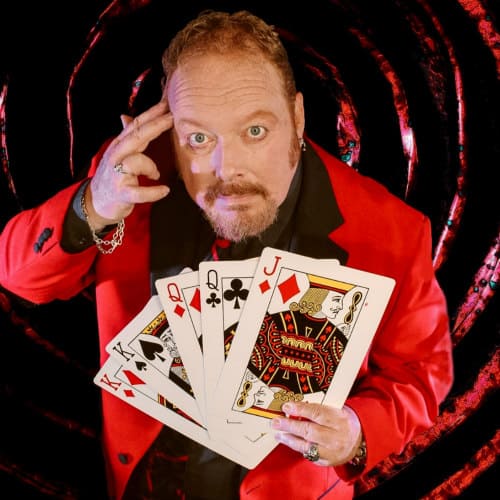
Not every show works for every crowd. A performance built for preschoolers moves differently than one aimed at elementary kids or tweens, and libraries running a mixed-age summer program need something that can flex across that range without losing anyone.
Pacing and humor matter as much as the tricks themselves here. A magician who can hold a five-year-old’s attention while still landing jokes that get a laugh from parents in the back row is doing something harder than it looks. If you’re trying to hire a magician near me for a summer reading event, ask directly how they handle mixed-age crowds before booking, since that’s usually where a show either works or falls flat.
Make the Event Work for Your Library Space
Every library room has its own quirks, and the show needs to fit the space rather than the other way around. Seating, sightlines, and how many people the room can actually hold safely all affect how the event plays out.
It helps to think through where parents and younger kids will sit relative to the performance area, especially if there’s audience participation involved. Checking these details with the performer ahead of time, rather than the morning of, avoids the kind of last-minute scrambling that throws off an otherwise good event.
Make Your Summer Reading Program Feel Like an Event
A magic show doesn’t have to sit only at the start of summer. Plenty of libraries use one to open the season, another mid-summer to keep momentum going, and a final one to close things out with some energy instead of letting the program fizzle by August.
Treating the performance as one piece of a bigger reading experience, alongside book displays, activities, and whatever else the library has planned, tends to work better than treating it as a standalone event competing with everything else on the calendar.
Bring a Chicago Library Magic Show to Your Summer Program
John Measner has spent more than 35 years performing for kids, families, schools, and libraries around Chicago, and that experience shows in how he reads a room full of mixed ages. His shows lean heavily on audience participation rather than a magician talking at a crowd for an hour, which is exactly what keeps a summer reading kickoff from feeling like a lecture.
If your library is putting together this year’s summer reading lineup, reach out to us to talk through dates, themes, and what would work best for your space.


